
Quince
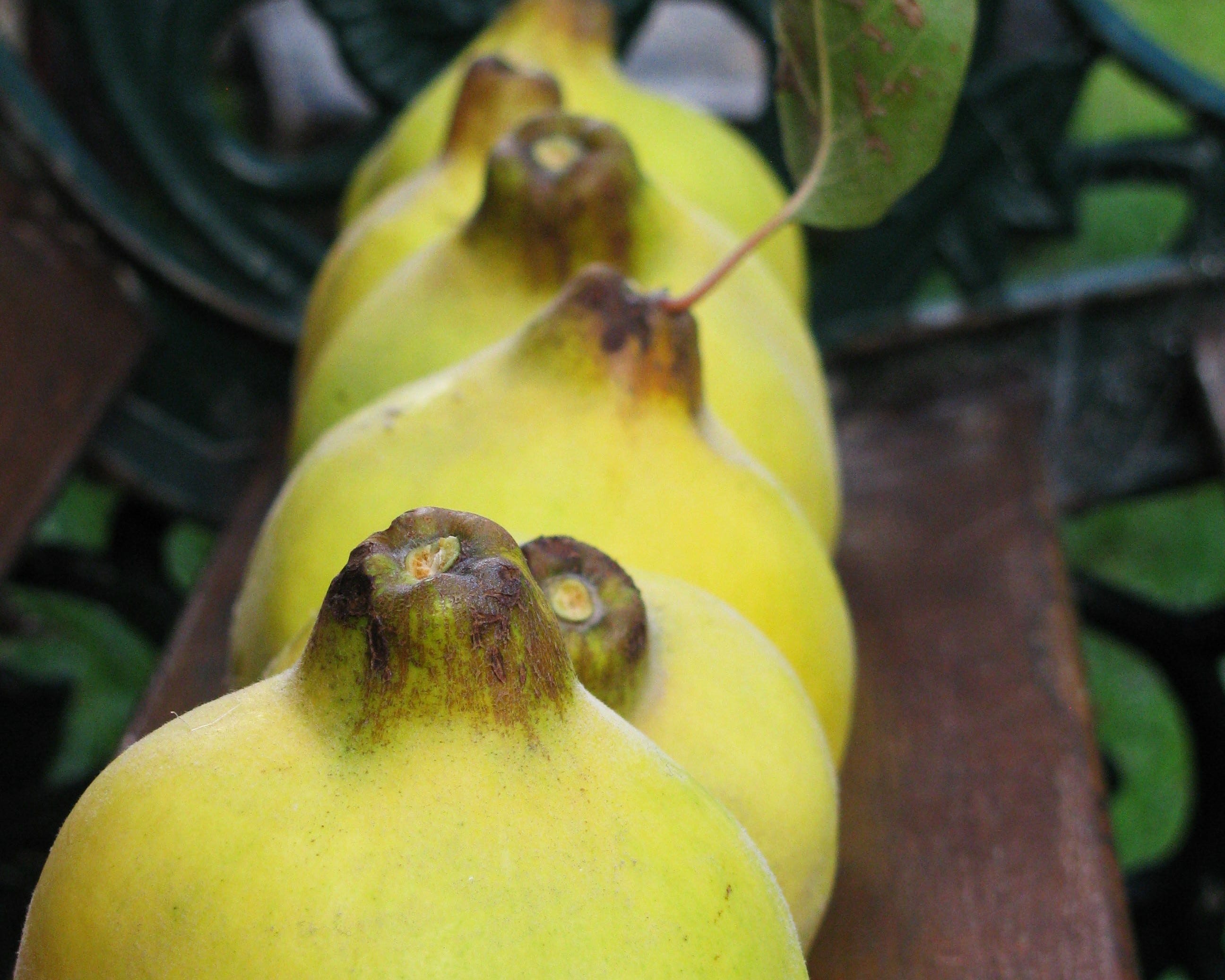
This strange and knobbly fruit with its yellow skin and soft brown fuzz filled my kitchen with its perfume and fed my family with jewel coloured paste.

Every so often someone asks me if I’m still writing. I make a pittance from my books and am not good at marketing them, but I’ve still got material for a third volume in the Apple Island Wife series so that’s what I’m working on. Because I can’t help myself. And some people were kind enough to enjoy the tales of our moving to Tasmania. Here’s an excerpt from the first chapter in the third and last volume - Out and About with the Apple Island Wife - about quinces, growing them, cooking them, and their strange and knobbly ways.
***
I fell into chatting with Lou, a benevolent woman who x-rayed the limbs of local children at Launceston’s hospital. She’d seen most of the community in her examination room. I told her about my windfall from Evandale, and my plans for making quince paste. It turned out she had a tree in her garden with more quinces than she knew what to do with. Where Lou lived, down on the river banks, they grew particularly well, protected from frost and enjoying the light reflected from the water.
In the midst of a renovation project, Lou was making small quantities of paste but didn’t have the time for full-scale preserving sessions in the kitchen. ‘Come on over, pick as many as you like!’ she exclaimed.
The next morning I took the road that skirted the river and headed across the flat, land on the inside of its bends. It was a calm day and the bright glare of the sun glanced off the water. I followed Lou’s directions to the bend in the road with an artist’s studio signposted, and a house that resembled a building site. It would have looked perfectly normal except that it had heavy blue plastic where its walls should have been. A plank over a trench led to the front door. I called Lou’s name and heard a cheery hello.
After a cup of tea in the kitchen at the back of the house, already beautifully fitted out by Lou’s clever husband, we ventured into the garden. Sheltering in the lee of a rickety garage was the quince tree, its gnarled and mossy branches reaching awkwardly to the sky. Every limb was laden with fruit, yellow, bulbous and on the point of perfect ripeness. Again, I pictured myself poised over a cast iron pot on the stove, stirring slowly with a wooden spoon, the aromas of sweetened quince wafting upwards.

We began picking, dropping the fruit into plastic bags where it hung heavy. It was slow work. ‘Do you want a recipe for making paste in the microwave?’ Lou asked. I hesitated. It seemed like cheating to forgo all that noble stirring and the old ways of doing things. But time is the most precious commodity when you’ve got young children.
‘Go on then.’ Anything to make life easier.
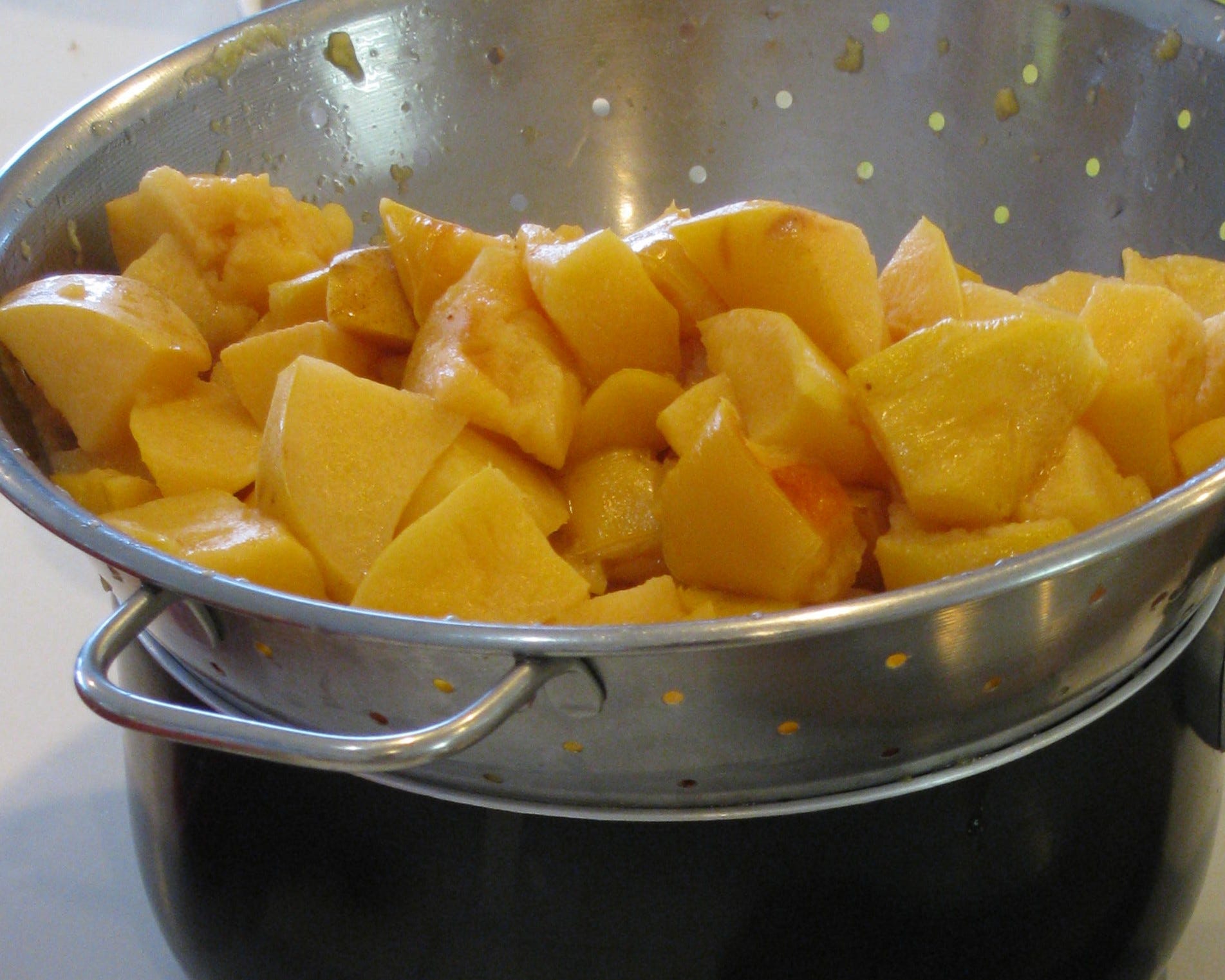
Back home I added the harvest from Lou’s tree to the haul from Evandale, which was giving off soft vapours from the dining room where it sat in boxes and bags. I chose a dozen ripe fruit, washed the soft brown fuzz from their skin and peeled, chopped and cored them. Their distinctive knobbly shape made them tricky to handle but eventually they were done, their creamy flesh revealed. Following Lou’s recipe, I put them in a bowl in the microwave with sugar and water and a lid over the top. I couldn’t help feeling uneasy about how I’d know exactly when the mix was cooked.
My just desserts came soon enough. The recipe called for cooking in ten minute intervals. After only the third lot, my quince paste was a deep amber in colour but was still almost liquid and nowhere near setting. I had put the sugar in too early, making it colour too soon. I gave it another ten minutes just for the hell of it. It went a firm, tacky brown and set like a brick.
From the bottom of a corner cupboard, I dragged my old cast iron cooking pot from the shelf and hefted it onto the bench-top. An old faithful, it was a no-name job from Spain, scratched and chipped but it still did a sterling job. I loved lowering a roast into it and lifting the lid an hour or two later to a tender and flavoursome meal.
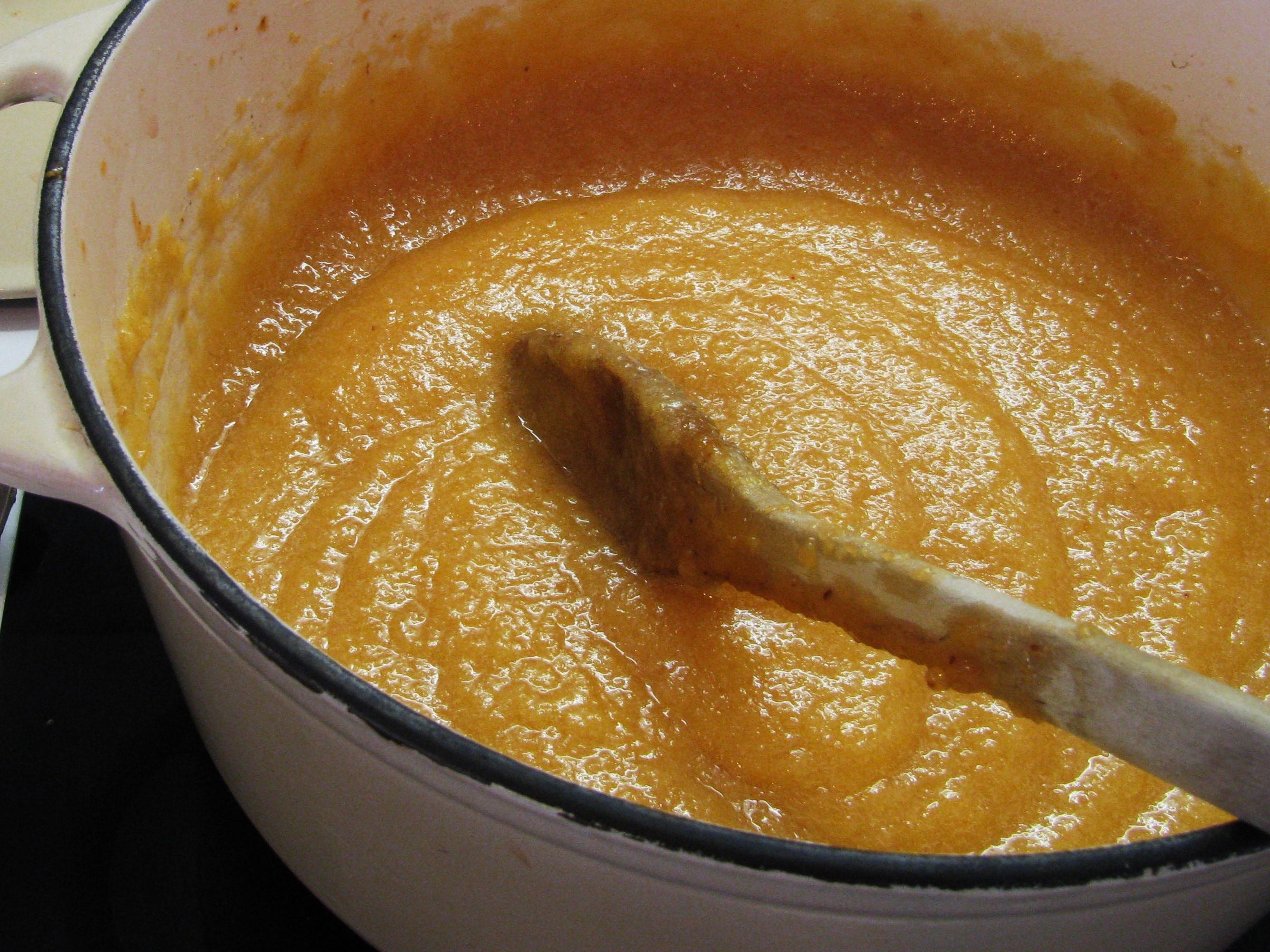
Sighing, I took a dozen more quinces and set about chopping and coring all over again, giving silent thanks to the bounty of the two trees. Tumbling them into the pot, I added water and sugar and put the pot on the stove. As the mixture came to the boil, I imagined countless Hispanic women before me, bending over the same creamy enamel and murmuring encouragement, as the white chunks of fruit softened and yielded to a golden yellow.
Years earlier when we lived in Brisbane, our neighbour had asked whether I’d like to go over to her place for a jam making session. I’d never made jam before and didn’t understand that it would mean enjoyable hours spent in the company of women making something delicious to eat.
‘Why would I want to make jam when I can buy it from the shops?’ I asked Oliver. The abundance I saw around me then was on supermarket shelves. But in our new life in Tasmania, it was on the trees and bushes all around us. If we didn’t make something with these quinces, all the work of those gnarly old trees was for nothing. That would seem like a shame as well as a waste.
Hours after I had sliced into the first quince, the kitchen was hot with steam rising from the pot. The benchtop was scattered with browning off-cuts and a clutter of utensils. I was sweaty and sticky and my feet had worn paths across the kitchen floor from bench-top to stove. But the mixture I spooned carefully into hot jars was a glorious amber, rich and unctuous, and tasted sweet and tangy on the tongue.
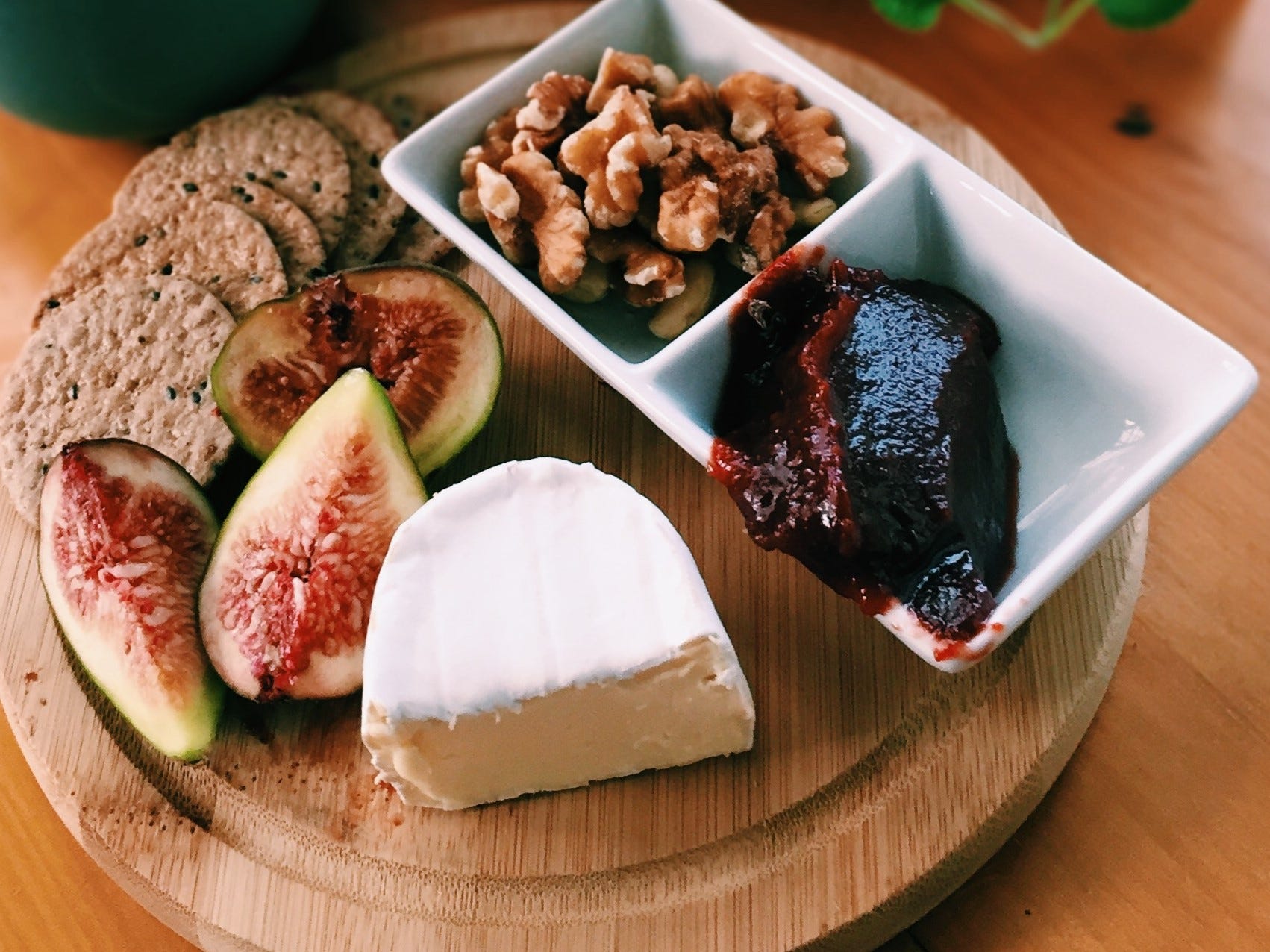
The following day we set out a board for afternoon tea when Daisy and Kit returned home from school. On it I placed a runny Brie and a firm Camembert, the children’s favourites. Beside them nestled a small dish with a generous blob of quince paste from my own kitchen. Everyone tucked in, and as I watched my children daubing spoonfuls of paste over their creamy white cheese and exclaiming at the tangy flavours, I thought that maybe the old, slow ways were the best after all.
Out and About with the Apple Island Wife won’t be out for months. If you’d like to enjoy the first two volumes, you can find them on Amazon and they make great Christmas presents for the book lovers in your life!
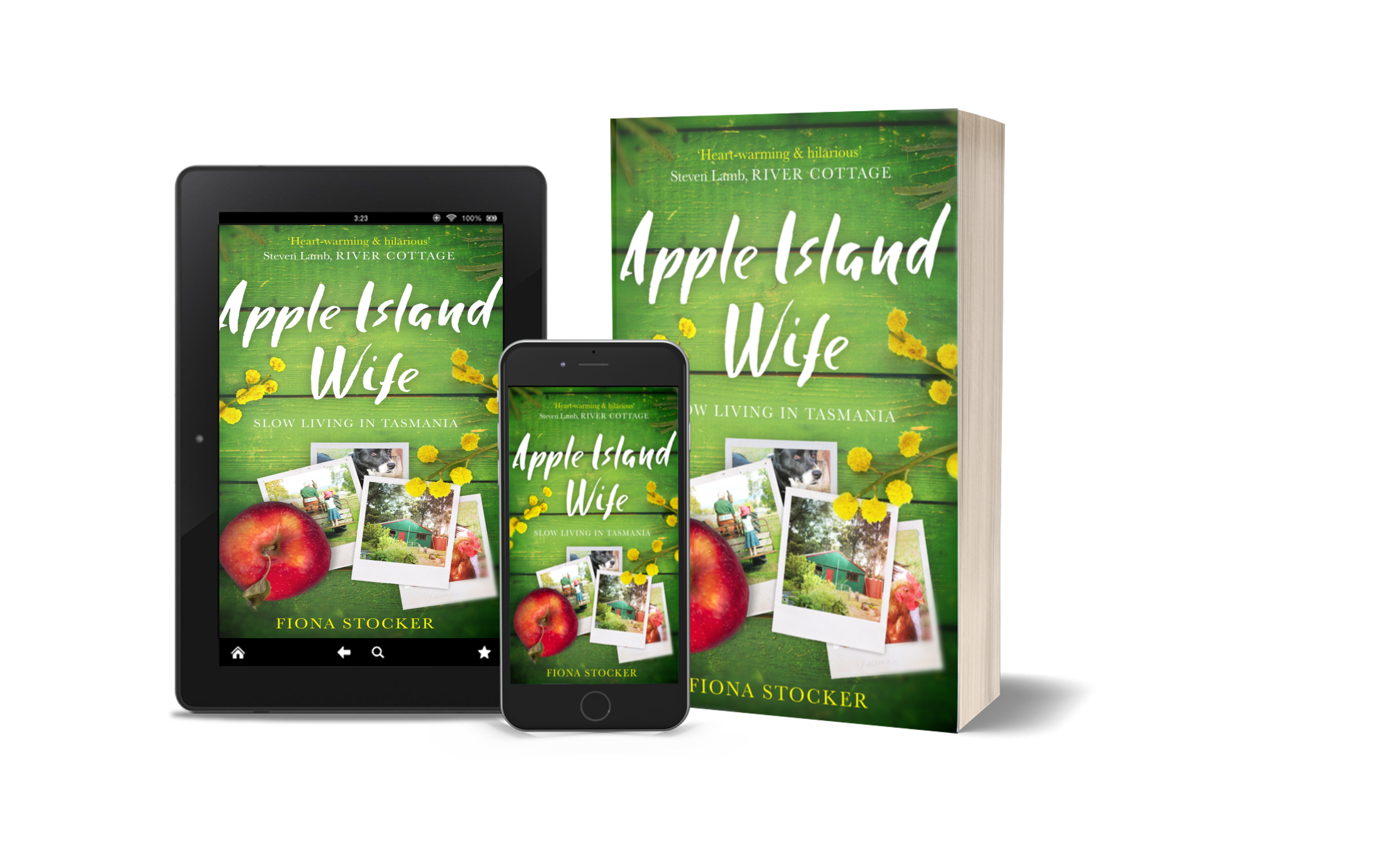
Apple Island Wife - Slow Living in Tasmania
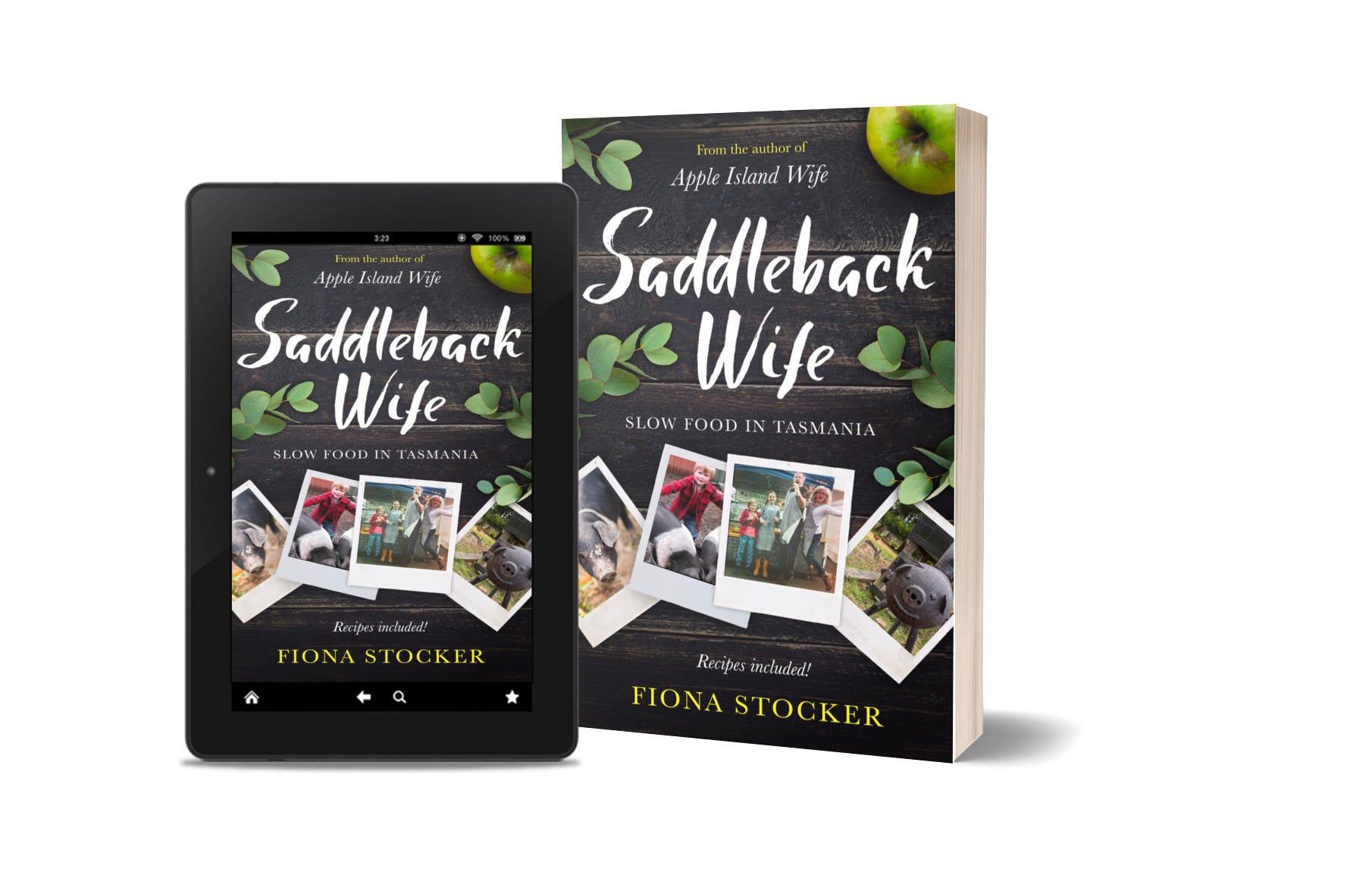
Saddleback Wife - Slow Food in Tasmania
And if you’d like to read more for FREE, subscribe here and get these pieces sent direct to your inbox. Thanks for reading!
A delicious tale Fiona, and congratulations on your next book, you write so beautifully, capturing the essence of our Tasmanian lives. You might have inspired me to try making quince paste too :)
Loved this Fiona, love all your writing and am looking forward to buying and reading Apple Island Wife 3 when it’s ready 🥰
You made it sound so lovely, but quince paste has always been in my “life’s too short” category, despite loving kitchen puttering and pottering and slow cooking. Slightly tempted to try it next season now🤔